Follow the Money: Who Actually Benefits When Lake Mead Drops
Follow the Money: Who Actually Benefits When Lake Mead Drops

The Bureau of Reclamation’s latest projection calls for Lake Mead to fall another 34 feet by December 2027 — a number tied to a weak 2025–26 snow season. But the deeper story isn’t just hydrology. It’s incentives.
A shrinking Lake Mead reshapes power, funding, and leverage across the entire Colorado River system. And not everyone loses when the waterline retreats.
Upper Basin states gain negotiating power. A lower Mead strengthens their argument that the Lower Basin has been over‑drawing for decades. In an active Compact renegotiation cycle, crisis becomes leverage.
Federal agencies unlock authority and funding. Low levels trigger drought declarations, emergency powers, and billions in federal spending. Scarcity expands control.
Municipal water agencies justify rate hikes and secure conservation payouts. Urban districts can acquire agricultural water rights at lower prices — something they’ve wanted for years.
Agricultural districts get paid not to farm. In drought years, fallowing becomes more profitable than production. Water rights appreciate as supplies tighten.
Private water investors see opportunity. Scarcity raises the value of water rights, land with senior allocations, and long‑term leasing markets. Hedge funds and water banks move quietly.
Energy markets benefit from volatility. As Hoover Dam’s hydropower output drops, wholesale electricity prices rise. Contracts shift. Margins widen.
Environmental groups gain influence and funding. A visible crisis strengthens the case for restoration, conservation, and policy reform.
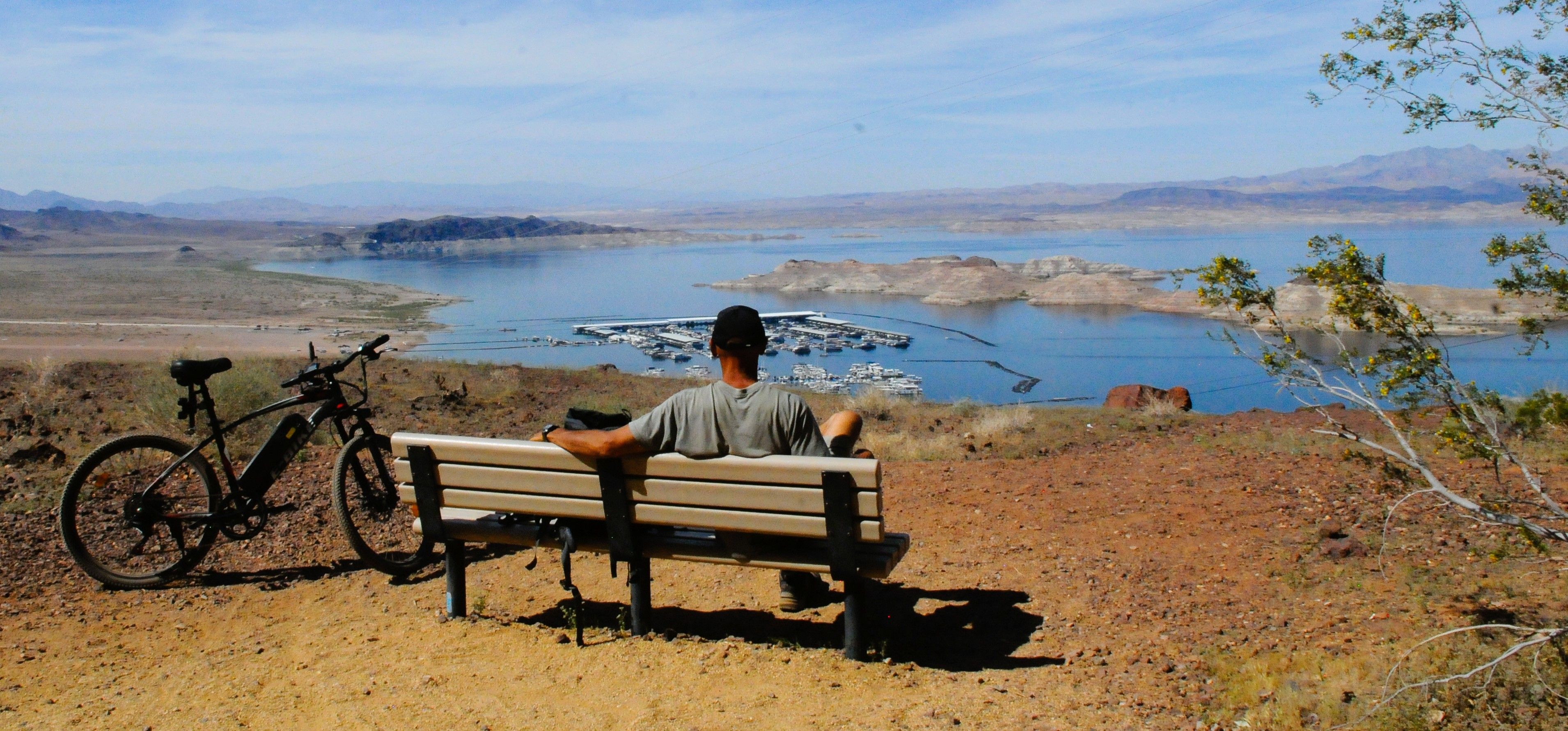
Meanwhile, the people on the ground — boaters, anglers, marinas, shoreline communities — absorb the impact.
The lake drops. The incentives rise. And the story becomes bigger than snowpack.
